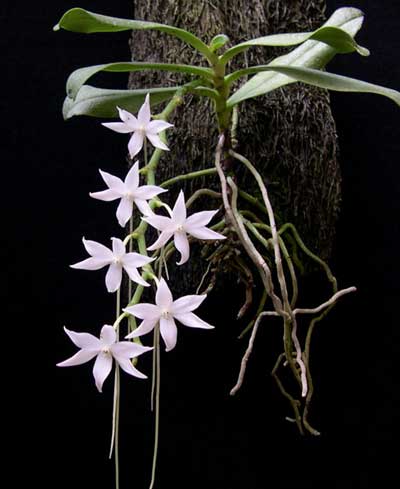

🌿 General Information
Cambria orchids are native to the Andes and are often hybridized between different genera. They prefer cool, bright environments, are very showy and easy to grow: they reward with frequent blooms despite being quite hardy in terms of temperatures. 🌸
☀️ Light and Temperature
They grow well near a bright window, but without direct sun on the leaves, especially in summer. The ideal nighttime temperature is between 18 and 20°C (minimum 10°C); during the day, it can rise to 24-29°C. If it exceeds this threshold, increase humidity and ensure good ventilation. For short periods, they tolerate warm summer nights, but the air must circulate. 🌡️
💧 Water
Water abundantly, but absolutely avoid waterlogging — never stagnant water in the saucer. Allow to dry slightly between waterings: the wet/dry cycle is crucial. Water every 3-7 days depending on temperature and ventilation, but when you water, water thoroughly. 🚰
If the leaves curl, the plant is thirsty. If the tips wither, the water is too rich in salts. In nature, they receive abundant rainwater.
⚗️ Fertilization
Fertilize regularly every 15 days with a specific orchid fertilizer, diluted (approximately 1 g/L for powdered fertilizers). Always follow the instructions on the packaging and water abundantly with the fertilized water. 🌱
🪵 Repotting
They prefer small pots, which allow the roots to dry between waterings. The best time to repot is spring or autumn, every two years, using fine bark. Remove old bark and damaged roots, repot in a clean pot, spreading the roots well and pressing the substrate to settle it. In the 15 days following repotting, significantly reduce watering to stimulate the emission of new roots and promote healing. ♻️