Tax excluded · Shipping calculated at checkout
Nel nostro vivaio coltiviamo diverse varietà della stessa pianta. Le piante sono esseri viventi e quindi a volte differiscono l'una dall'altra. Variazioni di colore e dimensioni sono pertanto possibili.
Le immagini mostrate insieme ai nostri prodotti sono a scopo illustrativo. Queste foto offrono un'idea realistica di come potrebbe apparire la pianta se curata adeguatamente. Le specifiche indicate si riferiscono alla pianta che riceverete. Si prega di leggere attentamente le caratteristiche prima di effettuare l'ordine.
Cosa sono le immagini di esempio?
Disponiamo di un assortimento estremamente ampio e variegato, con migliaia di piante. Poiché le singole piante cambiano forma, colore e dimensione di settimana in settimana, è impossibile per il nostro piccolo team fotografarle tutte.
È quindi raro che riceviate esattamente la pianta identica alla foto. Il nostro obiettivo è quello di garantirvi un'esperienza di acquisto piacevole ed ecologica, in tutta tranquillità.
Per chi preferisce curiosare tra le piante, disponiamo di un negozio fisico. Consultate la pagina dei contatti per orari di apertura e ulteriori informazioni.
-
Description
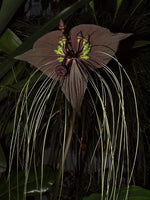
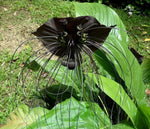
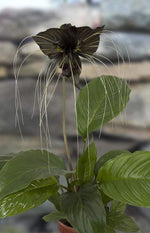
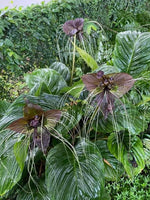
Tacca chantrieri is a plant belonging to the Taccaceae family and is native to the tropical forests of Southeast Asia. It is a perennial plant with an elegant habit that produces flowers as unusual as they are unsettling in appearance. The black-purple flower is the main characteristic of this tropical plant; it can reach a width of over 20 centimeters, from the center of which numerous filaments or "whiskers" branch out, exceeding half a meter in length. The size, color, and shape of the flowers thus create one of the strangest and most bizarre floral compositions in the entire plant kingdom, leading to the plant being nicknamed "bat plant" and its flowers "devil flowers." It does not tolerate temperatures below 12°C, is particularly sensitive to drafts and exposure to direct sunlight. Its propagation can occur by division of the rhizomes (in the early spring months) or by seed. Those who intend to try to reproduce this plant from seed will need to arm themselves with good patience, as germination can occur within a period ranging from 1 to 9 months depending on climatic conditions. The particular care and attention that must be followed from when the seeds are prepared until the first few months of the seedlings' lives make sowing Tacca chantrieri a true and uneven challenge with nature that, sometimes with a bit of luck, can be overcome.
How we ship your orchids
Discover more →